3737 E State Route 36, Decatur, IL, 62521
Imagine enjoying your favorite meal when a sudden, sharp pain interrupts your next bite. However, the pain disappears almost immediately when you stop chewing. Your tooth looks normal, and you might not notice any discomfort throughout the day.
This unusual pattern can make tooth pain easy to dismiss. Unfortunately, discomfort while biting sometimes indicates damage that requires dental attention. Understanding the possible causes can help you protect your tooth before the problem becomes more serious.
Understanding Why Biting Causes Tooth Pain
Your teeth withstand considerable pressure whenever you chew food. Healthy tooth structures distribute this pressure across the enamel, dentin, and supporting tissues. However, damage can make certain areas sensitive to normal chewing forces.
A cracked tooth is one possible explanation for sharp biting pain. When you bite, pressure may cause sections of the tooth to move slightly. This movement can irritate the sensitive tissues inside the tooth.
Pain may also occur when you release your bite. That happens because the affected tooth structures return to their original positions. These symptoms deserve attention, even when discomfort lasts only a few seconds.
However, a crack is not the only possible cause. Cavities, loose fillings, inflamed tooth nerves, and bite problems can produce similar symptoms.
Small Tooth Cracks Can Cause Trouble
Not every cracked tooth develops an obvious fracture line. Some cracks remain difficult to identify without a careful dental examination. Others appear beneath existing fillings or crowns.
You might notice discomfort when chewing crunchy foods such as nuts, crackers, or raw vegetables. Occasionally, the pain appears only when pressure reaches one particular area. Cold drinks may also trigger sensitivity.
These symptoms can come and go unexpectedly. Therefore, feeling better for several days does not necessarily mean the problem has disappeared.
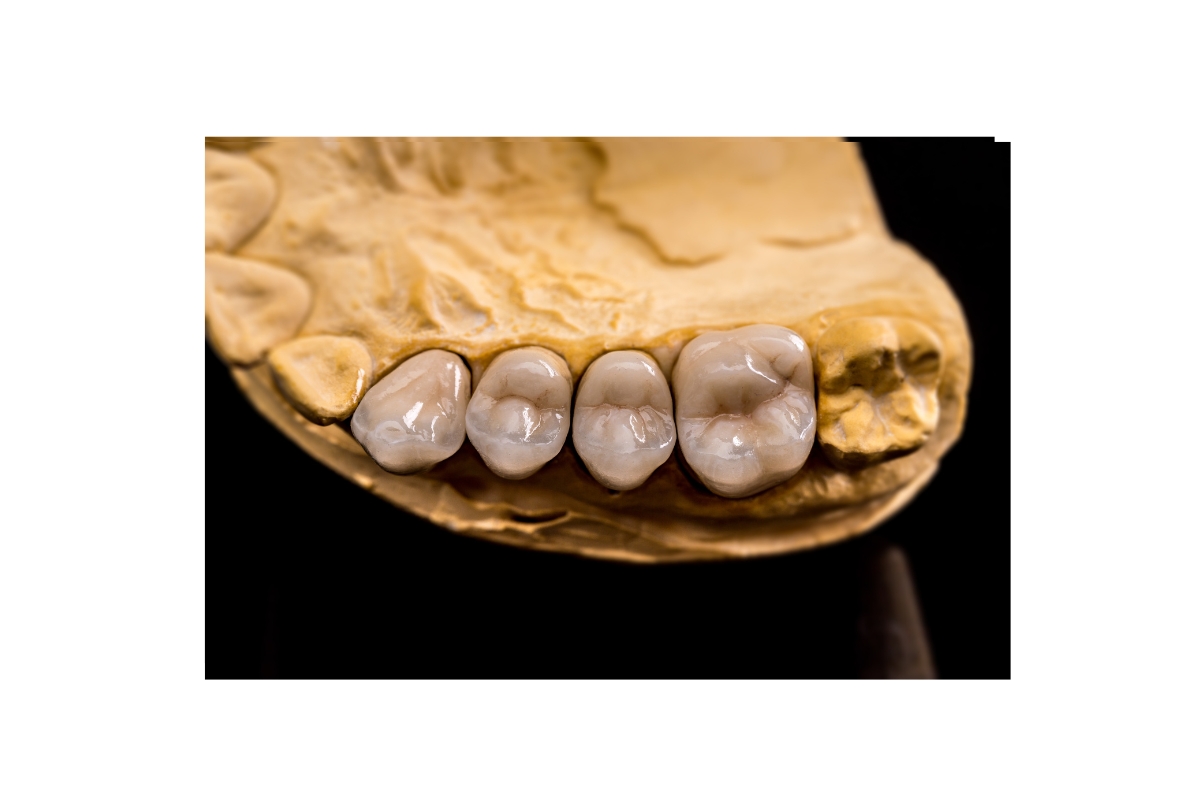
Dental crowns in Decatur may help protect certain cracked or weakened teeth. However, your dentist must first determine the location and extent of the damage.
A shallow enamel line may require only monitoring. A deeper crack affecting the tooth’s structure might need restorative treatment.
Other Problems That Mimic Cracked Teeth
Sometimes, the source of biting pain is less obvious than a damaged tooth. A filling that sits slightly too high can create uncomfortable pressure. Similarly, an uneven bite may overload one tooth during chewing.
Tooth decay can also weaken the enamel and underlying dentin. When the cavity becomes deeper, biting pressure may irritate sensitive areas.
Inflammation around the tooth root is another possible cause. This can develop because of infection, previous dental trauma, or problems involving the tooth’s nerve.
Gum problems occasionally create discomfort that feels similar to tooth pain. Food trapped between teeth may also irritate nearby tissues. As several conditions share these symptoms, choosing treatment without an examination can lead to unnecessary dental work.
Why Ignoring Biting Pain Can Backfire
A damaged tooth may continue functioning normally for some time. However, repeated chewing pressure can sometimes extend an existing crack. Eventually, the tooth may become more difficult to restore.
A minor problem might initially require a filling or another conservative treatment. More extensive damage could require a crown or root canal treatment. Severe fractures may leave extraction as the only practical option.
These outcomes are not inevitable. Still, early evaluation offers an opportunity to identify problems while more treatment choices remain available.
People with busy schedules often postpone dental appointments until discomfort becomes constant. However, occasional biting pain deserves the same attention as persistent sensitivity.
How Dentists Identify the Real Problem
A dental examination begins with reviewing your symptoms and dental history. Your dentist may ask when the pain started and which foods trigger discomfort.
Next, the dentist checks your teeth, fillings, gums, and bite. Gentle pressure tests can sometimes help identify the affected area.
Digital X-rays may reveal decay, bone changes, or other problems beneath the surface. However, some tooth cracks do not appear clearly on X-rays.
Additional examination methods can help locate difficult fractures. These may include magnification, special lighting, or careful inspection around existing restorations.
At Decatur Dental Care, digital imaging and intraoral cameras support detailed dental examinations. These tools help patients understand what their dentist observes and why treatment may be recommended.
When a Dental Crown May Help
A dental crown covers the visible portion of a prepared tooth. It helps protect weakened tooth structures and restore normal chewing function.
Crowns are sometimes recommended when a crack compromises the strength of a tooth. They may also support teeth with large fillings or extensive decay.
However, a crown cannot repair every fracture. A crack extending below the gumline or through the root may require another treatment.
If the tooth’s nerve becomes infected, root canal treatment may be necessary before placing a crown. Your dentist will explain the available options after evaluating the damage.
For suitable teeth, a properly fitted crown helps distribute chewing pressure more evenly. It also restores the tooth’s appearance and protects the remaining structure.
Protect Your Teeth Between Dental Visits
Until your appointment, avoid chewing hard foods on the painful side. Choose softer meals and avoid repeatedly testing the tooth by biting.
Do not assume that pain relief means the underlying problem has healed. Over-the-counter pain medication may reduce discomfort, but it cannot repair structural damage.
Continue brushing gently and cleaning between your teeth. If swelling, fever, or worsening pain develops, contact your dentist promptly.
Get Answers Before Tooth Pain Worsens
Biting discomfort should never become something you simply learn to tolerate. Identifying its cause early may help preserve your natural tooth.
At Decatur Dental Care, patients receive careful examinations and clear explanations of their treatment options. Whether you need a filling, crown, or another procedure, the first step is an accurate diagnosis.
Schedule your appointment at 3737 E State Route 36, Decatur, IL, or call 217-423-2400.
Frequently Asked Questions
Can a cracked tooth heal naturally?
Unlike a broken bone, a cracked tooth cannot repair its own structure. However, treatment may help protect the tooth and prevent further damage. Your dentist will recommend care based on the crack’s location and severity.
Does biting pain always mean I need a crown?
No, biting pain can develop from several dental problems. Some patients need a filling adjustment, while others require restorative treatment. A dental examination helps determine whether a crown is necessary.
Can I have a cracked tooth without sensitivity?
Yes, some cracked teeth cause discomfort only during chewing. Others become sensitive to temperature changes or sweet foods. Even without constant symptoms, an unexplained painful bite should be evaluated.
Where can I get dental crowns near Mt. Zion?
Decatur Dental Care serves patients from Mt. Zion and surrounding communities. Our dentists evaluate damaged teeth and discuss suitable restorative options. Schedule an appointment to determine whether a dental crown can help preserve your tooth.