3737 E State Route 36, Decatur, IL, 62521
A tiny chip on your front tooth might seem insignificant to someone else. However, you notice it every time you smile, speak, or look at photographs. Even a small change can affect how comfortable you feel showing your teeth.
The good news is that minor cosmetic concerns do not always require extensive dental treatment. Dental bonding can sometimes restore a chipped tooth while preserving most of its natural structure. Understanding this procedure may help you decide whether it deserves consideration.
Why Small Tooth Chips Feel Noticeable
Your front teeth play an important role in your smile’s appearance. Their edges, shapes, and proportions influence how your teeth look together.
Even a tiny chip may interrupt the smooth outline of a tooth. Sometimes, an uneven edge also feels uncomfortable against your tongue.
Tooth chips can develop from biting hard foods or experiencing minor dental injuries. Teeth grinding and everyday wear may also weaken vulnerable edges.
However, not every chip is purely cosmetic. Some injuries expose sensitive tooth layers or create fractures that require additional attention.
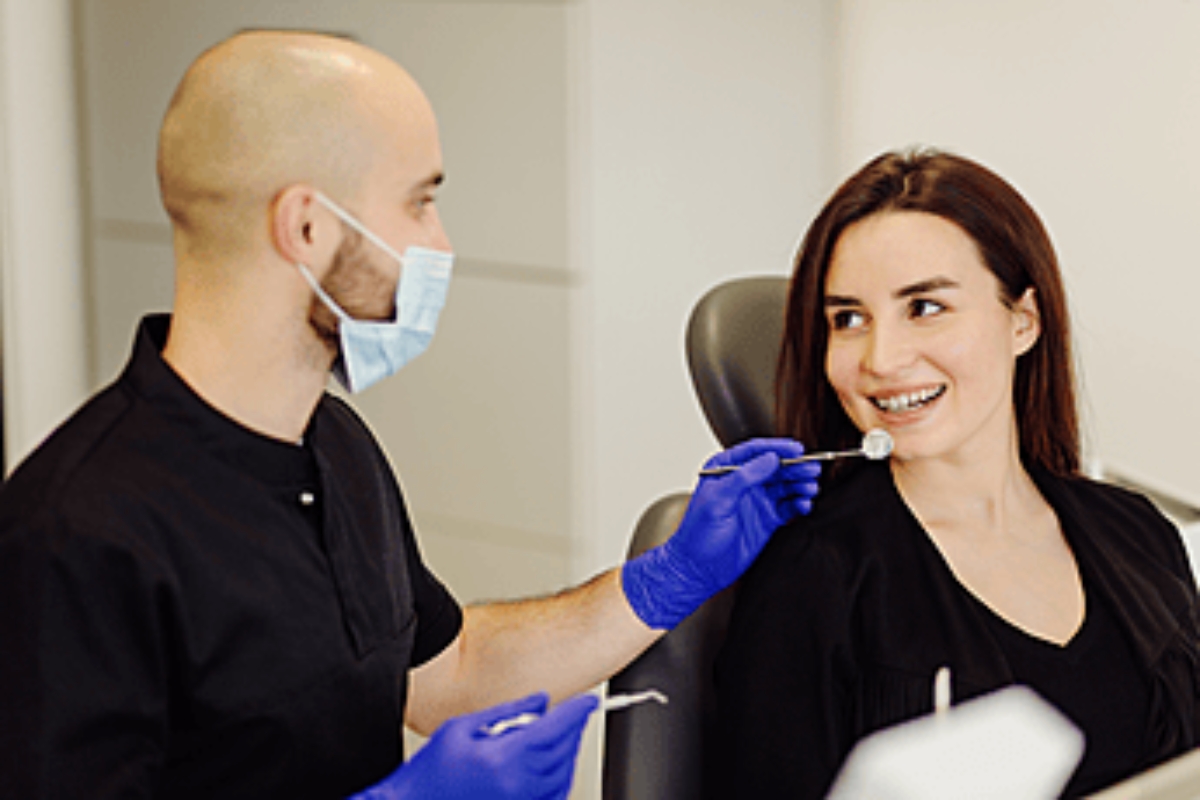
A dental examination helps determine whether the damage involves only the enamel. It also identifies problems that may affect the tooth’s strength.
Understanding How Dental Bonding Repairs Chips
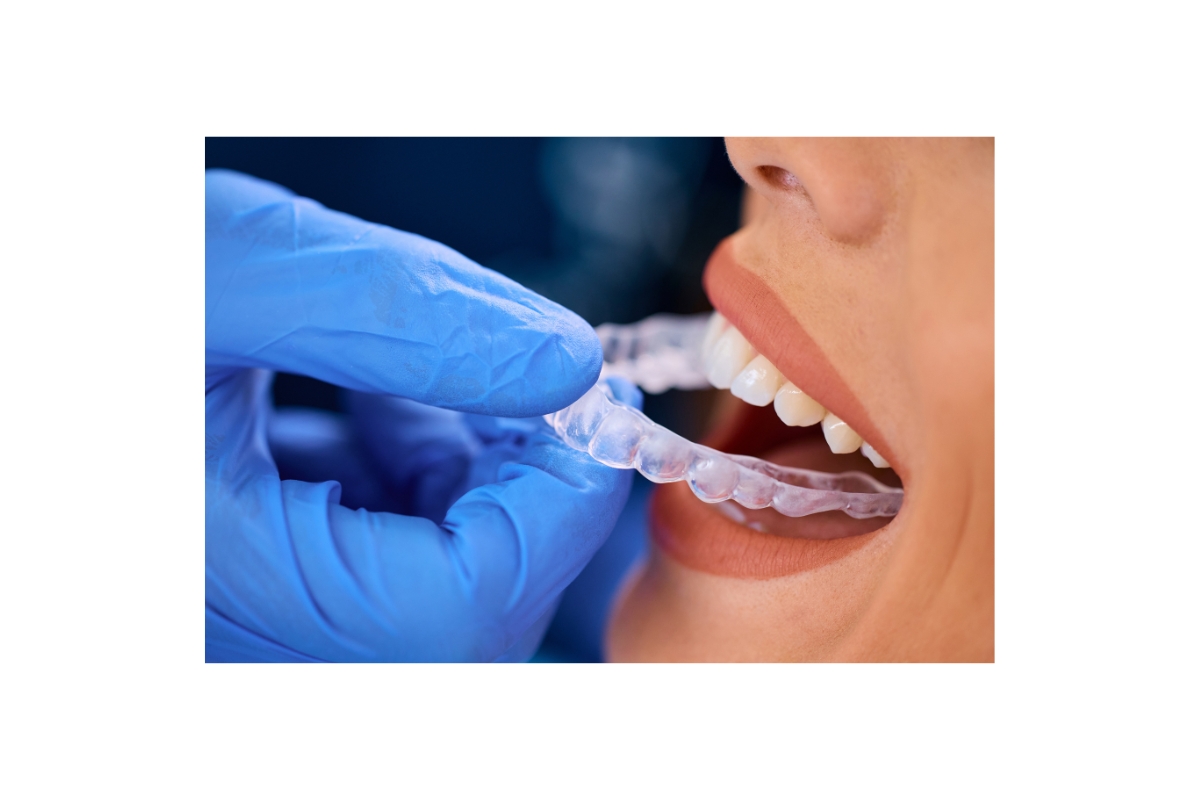
Dental bonding uses a tooth-colored composite resin to improve a tooth’s appearance or restore minor damage. The material is carefully matched to the surrounding teeth.
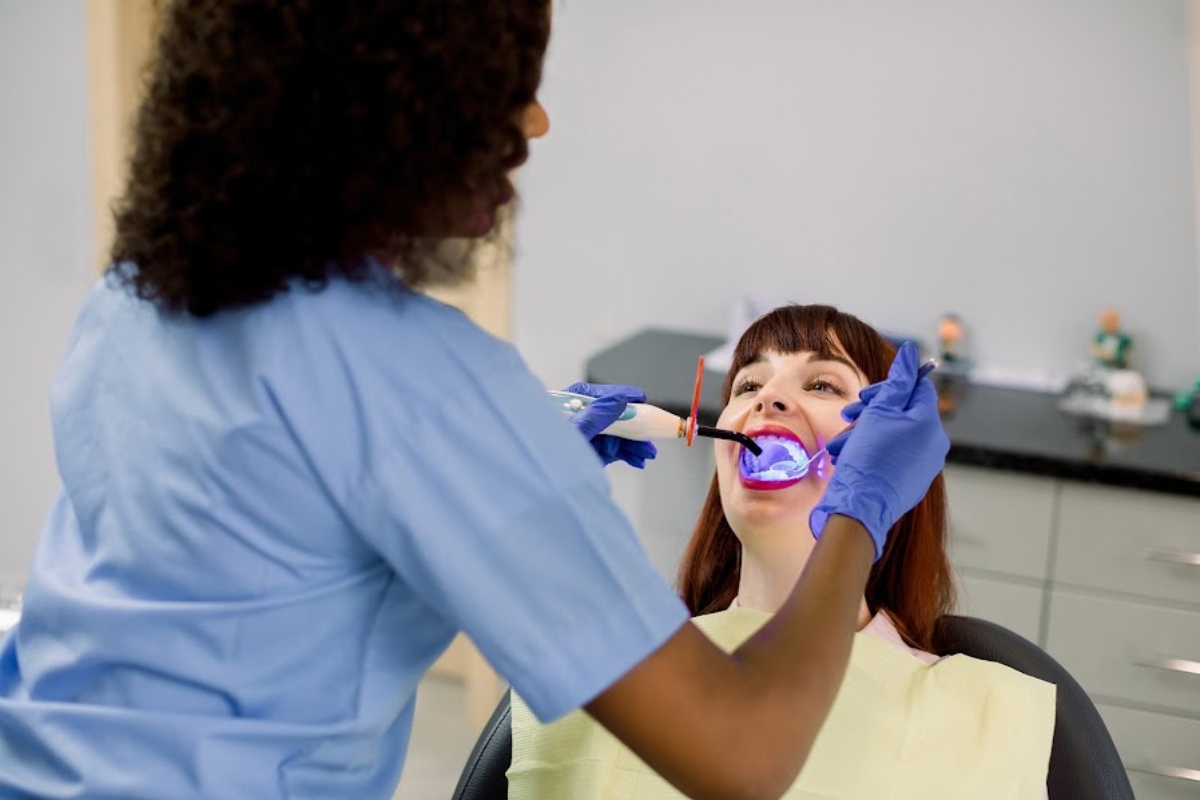
During treatment, your dentist prepares the tooth surface and applies the bonding material. The resin is shaped to recreate the missing portion of your tooth.
A special curing light helps harden the material. Afterward, the dentist adjusts and polishes the restoration for a smooth finish.
For suitable cases, bonding can often be completed during one dental appointment. However, treatment time depends on the number of teeth and the required corrections.
Dental bonding in Decatur may be considered for minor chips, uneven edges, or small spaces. Your dentist will examine your teeth before discussing whether bonding can produce the desired result.
Bonding Can Address More Than Chips
Although chipped teeth are a common concern, bonding has several other cosmetic applications. The same material can improve certain minor shape and proportion differences.
For example, one front tooth may appear shorter than its neighbor. Bonding can sometimes create a more balanced appearance without covering the entire tooth.
Small spaces between teeth may also be reduced through carefully planned bonding. However, larger gaps or bite problems might require orthodontic treatment.
Some patients consider bonding to improve localized discoloration. Others want to smooth irregular tooth edges caused by ordinary wear.
The important question is whether adding composite resin will create a functional and natural-looking result. Your dentist must also consider how your teeth contact each other during chewing.
Dental Bonding Compared With Porcelain Veneers
Bonding and veneers can address some similar cosmetic concerns. However, they use different materials and involve different treatment considerations.
Dental bonding places composite resin directly onto the tooth. In many cases, it requires little removal of natural enamel.
Porcelain veneers are custom-made shells bonded to the front surfaces of teeth. They may offer greater stain resistance and different cosmetic possibilities.
However, veneers generally require more preparation and a greater financial commitment. Neither treatment is automatically appropriate for every patient.
Bonding may be preferable for a small, localized correction. Veneers might be considered for broader changes involving several teeth.
At Decatur Dental Care, treatment planning emphasizes preserving natural tooth structure whenever possible. Patients can discuss their concerns before deciding whether cosmetic treatment is appropriate.
How Long Can Dental Bonding Last?
Dental bonding can provide a lasting cosmetic improvement when maintained properly. However, composite resin does not have the same properties as natural enamel.
The material may gradually stain or wear with everyday use. It can also chip if exposed to excessive biting pressure.
The lifespan of bonding depends on its location and size. Personal habits, oral hygiene, and teeth grinding also influence its durability.
Small repairs sometimes remain satisfactory for several years. Others may need polishing, repair, or replacement sooner.
Unlike some permanent restorations, damaged bonding can often be repaired. Your dentist can assess whether refreshing the material is a practical option.
Everyday Habits That Protect Bonded Teeth
Your daily routine plays an important role in maintaining bonded teeth. Brush twice daily using fluoride toothpaste and a soft-bristled toothbrush.
Clean between your teeth every day to protect nearby gums and tooth surfaces. Regular dental visits also help identify wear or changes in the bonded material.
Avoid using your teeth to open packaging or hold hard objects. Biting directly into very hard foods may damage vulnerable bonded edges.
Coffee, tea, and tobacco can contribute to surface staining. Limiting exposure and maintaining good hygiene can help preserve your smile’s appearance.
If you grind your teeth, discuss this habit with your dentist. A protective night guard may be recommended when grinding threatens your teeth or restorations.
When Bonding May Not Be Enough
Some chips extend deeper than the outer enamel. These injuries may require treatments that provide additional structural support.
A larger fracture could need a dental crown. If the tooth’s nerve becomes damaged or infected, root canal treatment may become necessary.
Certain bite problems can also make bonding less predictable. Your dentist may recommend addressing those conditions before completing cosmetic work.
It is important to distinguish harmless surface imperfections from significant fractures. A proper examination helps avoid treating a structural problem as a cosmetic concern.
Explore Simple Ways to Refresh Your Smile
You do not need to ignore a chipped tooth simply because the damage looks small. A dental evaluation can help determine whether bonding offers a suitable solution.
At Decatur Dental Care, we provide cosmetic dentistry for patients from Decatur, Mt. Zion, and nearby areas. Our team explains your options and helps you understand what treatment can realistically achieve.
Call 217-423-2400 to schedule a consultation about improving your smile.
Frequently Asked Questions
Does dental bonding damage natural tooth enamel?
Dental bonding often requires minimal enamel removal compared with some other cosmetic procedures. However, preparation needs vary by tooth. Your dentist will explain the process and whether bonding is suitable for your situation.
Can bonding repair a chipped front tooth?
Yes, dental bonding can often repair small chips affecting front teeth. Tooth-colored resin helps restore the missing shape. Larger fractures may require another treatment to protect the remaining tooth structure.
Will bonded teeth look different from natural teeth?
Composite resin comes in shades designed to match natural teeth. Careful shaping and polishing can create a smooth appearance. However, the final result depends on the tooth’s condition and treatment requirements.
Where can I get dental bonding near Warrensburg?
Decatur Dental Care welcomes patients from Warrensburg and nearby communities. Our dentists can examine chipped or uneven teeth and discuss possible cosmetic treatments. Schedule a consultation to learn whether dental bonding meets your needs.