3737 E State Route 36, Decatur, IL, 62521

You spent months wearing braces and finally achieved the straighter smile you wanted. Years later, you notice that your front teeth no longer look perfectly aligned. One tooth seems slightly rotated, while another has moved forward.
This experience can feel surprising, especially after completing orthodontic treatment. However, teeth can continue changing position throughout adulthood. Understanding why this happens can help you protect your smile and explore possible correction options.
Your Teeth Never Become Completely Stationary
Many people assume their teeth remain permanently fixed after braces. However, teeth sit within living bone and supporting tissues that change throughout life.
The surrounding bone responds to pressure and normal biological processes. These changes allow teeth to move gradually, even after orthodontic treatment.
During braces or clear aligner treatment, controlled forces guide teeth into new positions. After treatment, the supporting tissues need time to adjust.
Without proper retention, teeth may move toward earlier positions. This process is commonly known as orthodontic relapse.
However, not every change represents a return to previous alignment. Natural aging can also influence tooth positions over time.
These gradual movements explain why a once-straight smile may look different years later.
Why Retainers Matter After Orthodontic Treatment
Retainers help maintain the tooth positions achieved through orthodontic treatment. They provide support after active tooth movement ends.
Some retainers are removable, while others use thin wires attached behind certain teeth. Your dental professional recommends an appropriate option based on your treatment needs.
Many patients eventually reduce their retainer wear after completing treatment. Unfortunately, stopping retainer use entirely can increase the risk of unwanted tooth movement.
A retainer may feel tighter after several missed nights. This can indicate minor movement or changes in the appliance itself.
If your retainer no longer fits correctly, do not force it into place. An evaluation can determine whether the appliance requires replacement or another approach.
Long-term retention remains important because natural tooth movement continues throughout life.
Signs Your Teeth Are Moving Again
Tooth movement is not always immediately obvious. Small changes may develop gradually over months or years.
You might notice crowding in your lower front teeth. A previously straight tooth may start turning slightly or moving behind its neighbor.
Some patients see new gaps between teeth. Others notice that their bite feels different while chewing.
Difficulty inserting an old retainer can also signal a change. However, appliance damage or distortion may create similar problems.
Photographs taken several years apart may reveal subtle differences. Still, visual changes alone cannot determine whether additional orthodontic treatment is necessary.
A dental examination helps establish what changed and whether those changes affect oral health.
Can Invisalign Correct Teeth That Shifted?
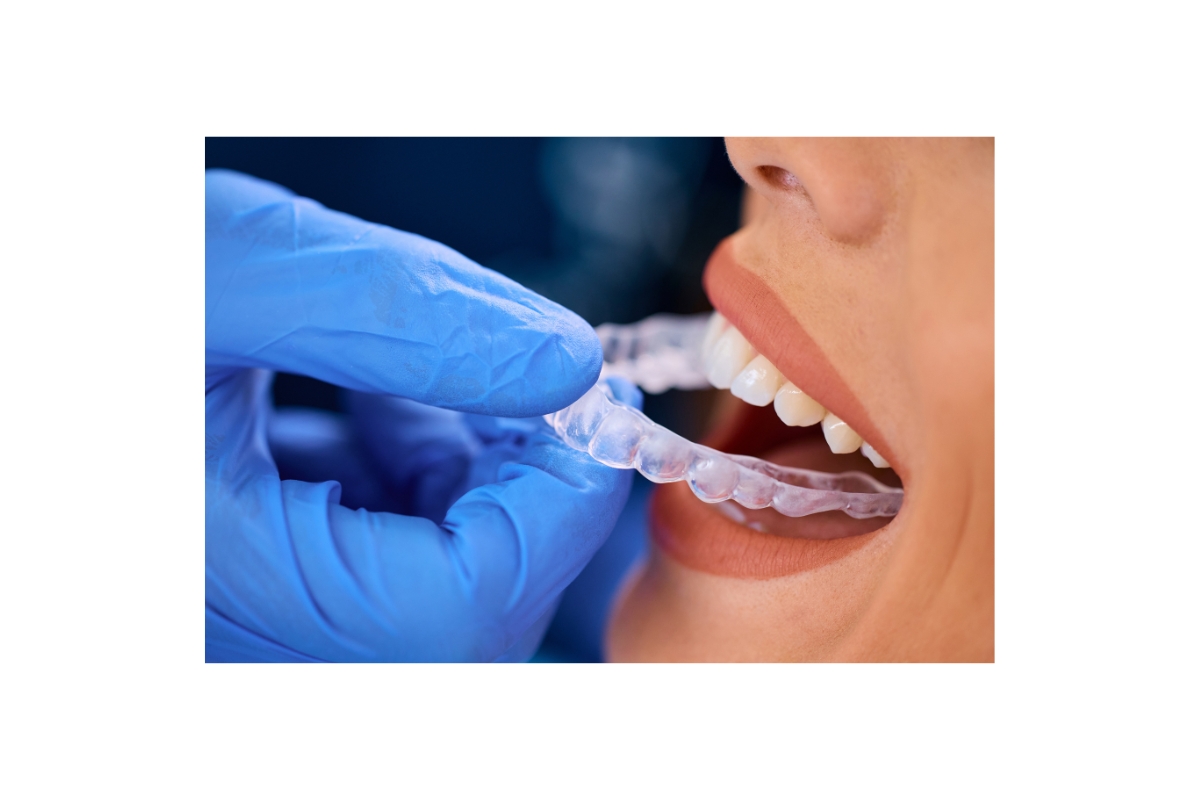
Invisalign uses a series of clear, removable aligners to move teeth gradually. The aligners are designed according to an individualized treatment plan.
For some adults, Invisalign can correct mild crowding, spacing, or other alignment concerns. Certain patients may need relatively limited tooth movement.
However, more complicated bite problems can require additional treatment planning. Clear aligners are not suitable for every orthodontic situation.
Invisalign in Decatur offers an option for patients seeking discreet orthodontic correction. Your dentist must assess your teeth and bite before recommending treatment.
At Decatur Dental Care, Invisalign is among the cosmetic and orthodontic services offered. An evaluation can help determine whether aligner treatment is appropriate for your concerns.
Previous orthodontic treatment does not automatically prevent someone from receiving Invisalign again.
What Invisalign Treatment Actually Involves
Treatment begins with evaluating tooth positions, oral health, and bite alignment. Your dentist may use photographs, digital imaging, and impressions or scans during planning.
If Invisalign is appropriate, a series of aligners is created for the planned movements. Each set applies controlled pressure to guide teeth gradually.
Patients generally wear aligners for approximately 20 to 22 hours daily. However, you should follow your dentist’s specific instructions.
The aligners are removed for eating and drinking beverages other than plain water. You also remove them when brushing and flossing.
Regular appointments allow your dentist to monitor progress. Treatment length depends on the amount of movement required.
Some patients need additional aligners or adjustments during treatment. Consistent wear helps keep progress aligned with the treatment plan.
Why Adults Often Prefer Clear Aligners
Many adults hesitate to consider orthodontic treatment again. Work meetings, social events, and family commitments can influence their preferences.
Clear aligners offer a less noticeable appearance than traditional metal braces. Their removable design also makes eating and daily cleaning more convenient.
However, removability comes with responsibility. Aligners cannot work as planned when they are left out frequently.
Patients must also keep their teeth and aligners clean. Otherwise, trapped plaque can increase the risk of cavities and gum irritation.
Clear aligners are convenient, but they still require consistent effort. The treatment works through gradual, carefully planned tooth movement.
For busy adults in Decatur and surrounding communities, discussing daily requirements before treatment can help establish realistic expectations.
Protecting Your Teeth After Invisalign Treatment
Completing orthodontic treatment does not eliminate the possibility of future movement. Retainers remain an important part of maintaining your new alignment.
Your dentist will recommend a retention schedule based on your treatment. Many patients need ongoing nighttime retainer wear.
Store removable retainers in their protective cases when not in use. Avoid exposing them to excessive heat, which may distort certain materials.
Clean retainers according to your dental team’s instructions. Regular dental appointments also help monitor tooth positions and oral health.
If your retainer becomes damaged or stops fitting, request an evaluation. Prompt attention may help prevent additional movement.
Find Out Why Your Smile Changed
Seeing your teeth shift after orthodontic treatment can be frustrating. However, changes do not always mean you need another lengthy treatment.
At Decatur Dental Care, we help patients understand their orthodontic concerns and available correction options. Whether you need retainer guidance or an Invisalign consultation, an examination is the starting point.
Call 217-423-2400 to request an appointment at our Decatur office.
Frequently Asked Questions
Can teeth move years after braces?
Yes, teeth can gradually change position throughout adulthood. Natural aging and inconsistent retainer wear may contribute to movement. Long-term retainer use helps maintain the alignment achieved through orthodontic treatment.
Can Invisalign fix minor orthodontic relapse?
Invisalign may correct certain cases of mild crowding, spacing, or tooth rotation. However, suitability depends on your bite and the amount of movement needed. Your dentist can determine whether clear aligners are appropriate.
Should I wear an old retainer that feels tight?
A slightly snug retainer does not always indicate a serious problem. However, you should never force an appliance that no longer fits properly. Contact your dental professional for an evaluation.
Where can I discuss Invisalign near Mt. Zion?
Decatur Dental Care provides Invisalign consultations for patients from Mt. Zion and surrounding areas. Our team evaluates tooth alignment and discusses possible treatment plans. Schedule an appointment to learn whether clear aligners may help.