3737 E State Route 36, Decatur, IL, 62521

You have used whitening strips for weeks, followed every instruction, and waited for that brighter smile. Yet your teeth look almost exactly the same. Frustrating, right?
Store-bought whitening products work for some people, but they cannot address every type of discoloration. Sometimes, uneven results, stubborn stains, or sensitive teeth make at-home whitening more difficult.
For residents considering teeth whitening in Warrensburg, understanding these limitations can help them choose an appropriate treatment. Professional whitening offers a personalized approach that considers your tooth color, dental health, and whitening goals.
Why Whitening Strips Sometimes Disappoint
Whitening strips contain bleaching ingredients that help break down certain stains within natural teeth. However, their effectiveness depends on the stain’s cause, product concentration, application, and treatment duration.
Many people expect dramatic results after only a few applications. In reality, whitening results vary, and some stains respond much better than others.
Uneven Contact With Tooth Surfaces
Whitening strips are designed to fit many different smiles. Unfortunately, they may not contact every tooth surface evenly, especially around crowded or rotated teeth.
This uneven contact can leave certain areas looking darker. People with irregular tooth alignment may notice these differences more clearly.
Stains That Resist Whitening Products
Not every tooth stain responds to bleaching ingredients. Some discoloration develops inside the tooth, while other stains result from changes in enamel or previous dental treatment.
For example, discoloration caused by certain medications or dental injuries may resist conventional whitening. A dentist can help determine whether bleaching is appropriate.
Existing Dental Restorations
Dental crowns, veneers, and tooth-colored fillings do not whiten like natural teeth. Their color generally remains unchanged when bleaching products are applied.
As surrounding teeth become lighter, these restorations may appear noticeably darker. Professional evaluation helps patients understand these limitations before beginning treatment.
What Makes Professional Teeth Whitening Different?
Professional teeth whitening involves dentist-supervised treatment designed around an individual’s oral health and cosmetic goals. Unlike generic whitening products, professional treatment begins with an examination of the teeth and gums.
Dentists can identify existing restorations, sensitive areas, and possible causes of discoloration. This evaluation helps determine whether whitening is suitable or another approach would provide better results.
Custom Trays for More Even Coverage
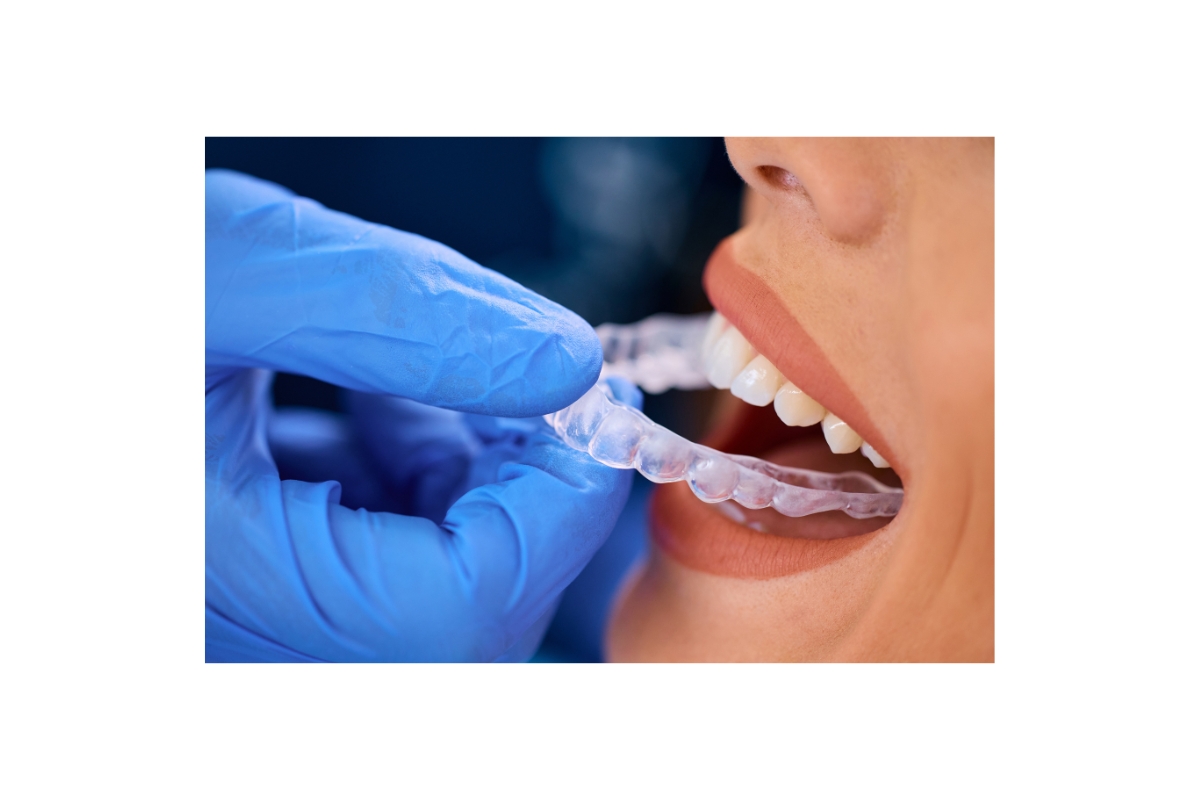
One advantage of professional whitening is the availability of custom-fitted trays. These trays are designed to match the shape and arrangement of your natural teeth.
At Decatur Dental Care, our teeth whitening in Decatur involves taking impressions to create personalized whitening trays. Patients then use the prescribed whitening gel according to their dentist’s instructions.
Custom trays help maintain contact between the whitening gel and tooth surfaces. Their personalized fit may also reduce unnecessary gel contact with the gums when used correctly.
Whitening With Professional Guidance
Professional supervision helps patients understand the correct amount of whitening gel and recommended application schedule. This guidance is especially important for individuals with previous sensitivity.
Your dentist can recommend adjustments if discomfort develops during treatment. Following professional instructions also helps reduce the risk of overusing whitening products.
Results Based on Your Natural Teeth
Professional whitening aims to lighten natural tooth enamel without changing the tooth’s structure. However, the final shade depends on existing discoloration and individual response.
Some patients notice substantial improvement, while others experience more modest changes. A dental examination helps establish realistic expectations before treatment begins.
What Causes Teeth to Become Discolored?
Tooth discoloration develops for several reasons, and identifying the cause matters. Some stains collect on the tooth surface, while others originate within the tooth structure.
Understanding these differences can help explain why whitening works better for certain patients.
Coffee, Tea, and Dark Beverages
Coffee, black tea, and red wine contain pigments that contribute to tooth staining. Frequent exposure can gradually change how your smile looks.
Regular brushing helps limit surface buildup, but it cannot prevent every stain. Professional dental cleanings and appropriate whitening treatments may improve discoloration depending on its cause.
Natural Changes With Age
Teeth can gradually appear darker as people age. Enamel may become thinner, allowing more of the underlying yellowish dentin to show through.
These changes are natural and do not necessarily indicate poor oral hygiene. Whitening may help some age-related discoloration, although results vary.
Tobacco and Nicotine Exposure
Smoking and other tobacco products can leave noticeable yellow or brown stains. Continued tobacco exposure may cause discoloration to return after whitening.
Reducing tobacco use supports both oral health and a brighter smile. Your dentist can also evaluate staining and recommend suitable treatment.
Dental Injuries and Internal Discoloration
A tooth may become gray or darker following an injury. This change can indicate internal damage, even when the tooth does not hurt.
Whitening products may not correct discoloration caused by trauma. A dentist should examine an unusually dark tooth before cosmetic treatment begins.
How Does Custom Teeth Whitening Work?
Professional tray whitening usually follows a straightforward process. Patients receive instructions tailored to their teeth, treatment goals, and sensitivity concerns.
Step 1: Examine Your Teeth
Your dentist first evaluates your teeth and gums for problems that could affect whitening. Cavities, exposed roots, or gum inflammation may require attention before treatment.
This examination also helps identify restorations that will not respond to bleaching. Your dentist can explain whether professional whitening is likely to meet your expectations.
Step 2: Create Personalized Whitening Trays
Impressions are taken to capture the shape of your teeth. These impressions help create trays designed for a more precise fit.
Properly fitted trays allow controlled placement of whitening gel. Your dentist explains how to insert, remove, and clean them.
Step 3: Follow Your Whitening Instructions
Patients use their prescribed whitening gel according to the recommended schedule. The length of each application depends on the product and professional instructions.
Using additional gel does not guarantee faster or better results. Excessive whitening can increase sensitivity and irritate gum tissue.
Step 4: Evaluate Your Whitening Results
Your dentist may recommend checking your tooth shade after completing the prescribed treatment. Results depend on the original color and type of discoloration.
Some patients reach their preferred shade sooner than others. Additional whitening should only be considered after reviewing the results and any sensitivity.
Can Professional Whitening Cause Tooth Sensitivity?
Temporary tooth sensitivity is a recognized side effect of whitening treatment. Some patients experience short-lived discomfort when consuming cold drinks or breathing cool air.
Gum irritation can also occur when whitening gel contacts soft tissues. These effects usually improve after whitening is reduced or stopped.
Your dentist may suggest shorter application periods or changes to your treatment schedule. Patients experiencing significant or persistent discomfort should discontinue whitening and contact their dental office.
Professional supervision does not eliminate every side effect. However, it allows treatment decisions to account for your individual oral health.
How Long Do Teeth Whitening Results Last?
Teeth whitening results are not permanent because daily habits continue affecting tooth color. Coffee, tea, tobacco, and certain foods may gradually contribute to new stains.
The duration of your results depends on your diet, oral hygiene, and original discoloration. Some patients maintain their brighter shade longer than others.
Regular dental cleanings help remove plaque and certain surface stains. Your dentist can also advise whether occasional whitening touch-ups are appropriate.
Avoid frequently repeating treatments without professional guidance. Excessive whitening may increase discomfort without producing a meaningful improvement.
Simple Habits Help Maintain Whiter Teeth
Protecting your whitening results does not require eliminating every favorite food or drink. Consistent oral hygiene and thoughtful daily habits can help reduce future staining.
Consider these practical steps:
- Brush twice daily using fluoride toothpaste.
- Floss once daily to remove plaque between teeth.
- Rinse with water after consuming strongly colored beverages.
- Limit tobacco exposure to reduce stubborn staining.
- Attend routine dental examinations and professional cleanings.
- Follow your dentist’s instructions before repeating whitening treatments.
Using a straw for certain cold beverages may help limit contact with front teeth. However, this habit cannot completely prevent discoloration.
Maintaining healthy teeth and gums should always remain the priority. Cosmetic whitening works better as part of a complete oral care routine.
Is Professional Whitening Right for You?
Professional whitening may be appropriate for adults with healthy teeth and gums who want to address natural tooth discoloration. However, not everyone is a suitable candidate.
Patients with untreated cavities, significant sensitivity, or gum problems may need other care first. Existing crowns, fillings, and veneers also influence the recommended cosmetic approach.
A dentist near Warrensburg can evaluate your concerns and discuss realistic treatment outcomes. This personalized assessment helps prevent unnecessary whitening and disappointing results.
Frequently Asked Questions
1. Why are my teeth still yellow after whitening strips?
Whitening strips may not address deep discoloration, certain internal stains, or naturally darker tooth shades. Uneven application and existing restorations can also affect results, making a dental examination helpful before trying additional products.
2. Is professional teeth whitening better than strips?
Professional whitening offers customized treatment and dental supervision, which can improve suitability and application. However, results depend on the type of discoloration, and some over-the-counter products can also effectively whiten natural teeth.
3. Can yellow teeth become white again?
Many yellow teeth can become lighter with appropriate whitening treatment, especially when discoloration responds to bleaching. However, naturally darker teeth, internal stains, and existing restorations may limit the achievable results.
4. Should I get my teeth cleaned before whitening?
A dental cleaning may be recommended before whitening to remove plaque and surface deposits. Your dentist can also examine your teeth for decay, gum inflammation, or other conditions requiring treatment before bleaching begins.
Discover a Brighter Smile With Personalized Care
Whitening strips can be convenient, but they may not provide the results you want. Professional treatment offers a personalized option for patients seeking a brighter, more even-looking smile.
At Decatur Dental Care, we offer custom-tray teeth whitening for patients from Warrensburg and surrounding communities. Our team evaluates your teeth and helps determine whether whitening is appropriate for your smile.
Contact us at 217-423-2400 to schedule a consultation and learn about your whitening options.