3737 E State Route 36, Decatur, IL, 62521

Your alarm rings, and you immediately notice an uncomfortable sensation around your jaw. Your cheeks feel sore, and your temples seem unusually tense. Sometimes, you even wake up with a headache.
It might seem strange to experience jaw discomfort after several hours of sleep. However, some people clench or grind their teeth without realizing it. These nighttime habits can place additional pressure on the teeth and jaw muscles.
Understanding the possible causes can help you determine when professional dental care may be necessary.
Understanding What Happens During Nighttime Clenching
Teeth grinding and clenching are commonly called bruxism. The condition can occur while someone is awake or sleeping.
During sleep, some people repeatedly tighten their jaw muscles. Others move their teeth against each other in grinding motions.
These movements can create substantial pressure on the teeth. They may also contribute to muscle fatigue and discomfort around the jaw.
However, not every person with sleep bruxism experiences pain. Some individuals discover the habit only after a dentist identifies unusual tooth wear.
A sleeping partner might also notice grinding sounds at night. However, silent clenching can occur without obvious noise.
Because these habits happen unconsciously, many people remain unaware of them for years.
Common Signs of Nighttime Teeth Grinding
Morning jaw soreness is one possible symptom of bruxism. You may notice discomfort when opening your mouth or chewing breakfast.
Some patients develop tenderness around their temples. Others experience frequent headaches that seem worse after waking.
Your teeth may also show signs of excessive wear. Flattened chewing surfaces, small chips, and damaged restorations can sometimes indicate grinding.
Tooth sensitivity may develop when enamel becomes worn or damaged. Occasionally, patients notice tightness around the face or jaw muscles.
However, these symptoms are not exclusive to bruxism. Headaches, facial discomfort, and jaw pain can result from several medical or dental conditions.
A professional evaluation helps determine whether teeth grinding contributes to your symptoms.
How Stress Can Affect Your Jaw
Stress can influence muscle tension and certain behaviors throughout the day. Some people clench their jaws when concentrating or feeling anxious.
Long working hours and stressful routines may contribute to daytime clenching. However, sleep bruxism has several possible contributing factors.
Sleep-related breathing disorders and certain medications may also be associated with grinding. The causes often involve more than a single lifestyle habit.
This makes it important to avoid assuming that every grinding problem comes from stress. A dentist can evaluate the dental effects while considering other relevant concerns.
Pay attention to your jaw position during the day. Your teeth should generally remain slightly apart when you are resting.
Relaxing unnecessary muscle tension may help some patients manage daytime clenching. However, nighttime grinding can require a different approach.
How Custom Night Guards May Help
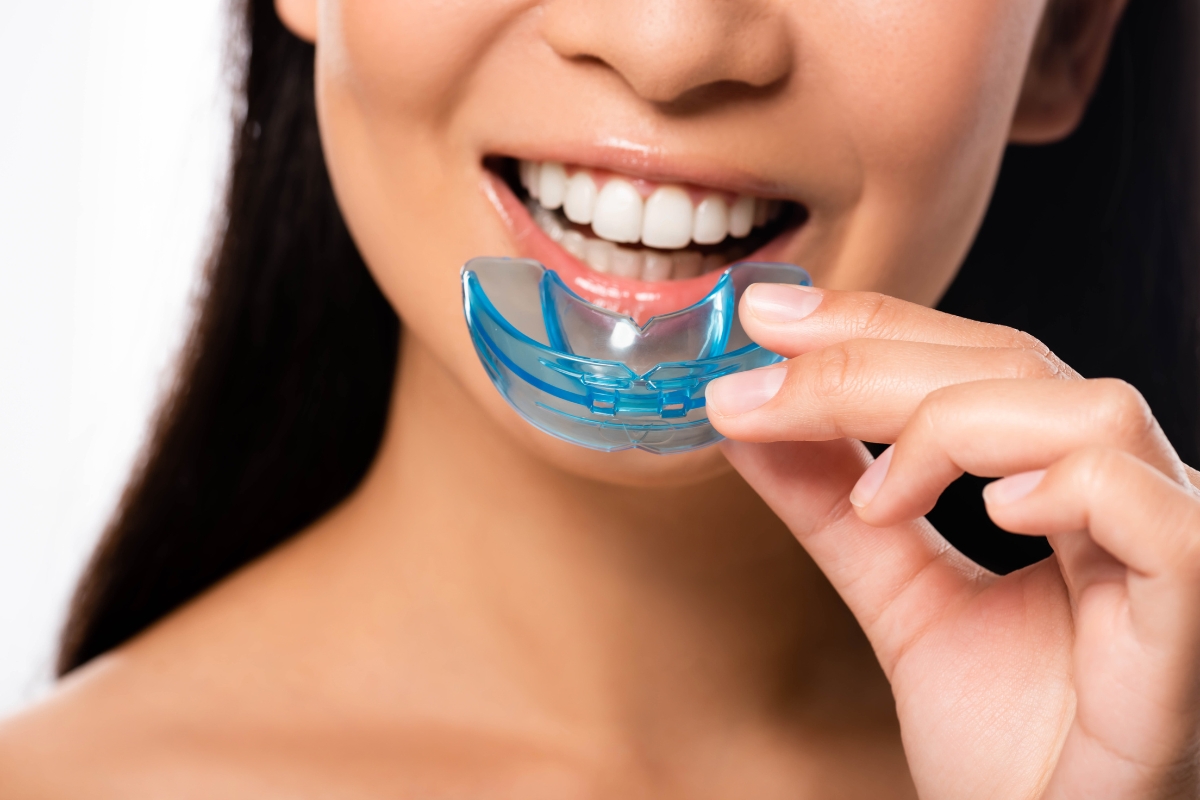
A night guard is a removable dental appliance worn during sleep. Custom guards are made to fit a patient’s teeth and bite.
They can help protect tooth surfaces from direct grinding forces. Some patients may also experience reduced muscle discomfort with an appropriate appliance.
However, night guards do not necessarily stop the underlying grinding habit. Their main purpose often involves protecting teeth and managing related symptoms.
Over-the-counter guards may not provide the same individualized fit. Poorly fitting appliances can feel uncomfortable or affect the bite.
Your dentist can determine whether a custom appliance is suitable. Different types of guards may be considered depending on the condition being treated.
At Decatur Dental Care, patients can receive TMJ treatment in Decatur for teeth grinding and nighttime clenching related concerns. The practice also provides custom night guards when clinically appropriate.
Why Jaw Pain Requires Careful Evaluation
Jaw discomfort can develop from muscle tension, joint problems, dental infections, and other causes. Therefore, symptoms alone cannot establish a diagnosis.
During an examination, your dentist may check jaw movement and muscle tenderness. The dentist also evaluates your bite, teeth, and existing restorations.
Clicking sounds may be assessed alongside pain or limited movement. Painless clicking does not always require treatment.
Dental imaging may be recommended when the examination suggests a need for further investigation. Some patients also require medical evaluation for related conditions.
For example, loud snoring and breathing interruptions during sleep may indicate sleep apnea. These symptoms deserve attention from an appropriate healthcare professional.
Identifying the cause helps avoid unnecessary or ineffective treatment. It also supports safer decisions about long-term jaw care.
Everyday Habits That May Reduce Discomfort
Small daily adjustments may help certain patients manage jaw muscle discomfort. Start by noticing when you hold tension in your face.
Avoid prolonged clenching during stressful activities. Keep your lips relaxed and your teeth slightly apart when resting.
If chewing causes discomfort, temporarily choose softer foods. Avoid excessive gum chewing and habits that overload the jaw.
Warm compresses may help soothe sore muscles. However, use them according to your healthcare professional’s recommendations.
Consistent sleep habits and stress management may also support general well-being. These steps do not replace treatment when a dental or joint disorder requires professional care.
Do not begin jaw exercises without appropriate guidance. Certain movements can worsen symptoms in patients with specific joint problems.
When You Should Schedule an Appointment
Occasional mild jaw soreness may improve without significant treatment. However, persistent symptoms deserve a professional assessment.
Schedule an appointment if headaches or jaw pain frequently interrupt your routine. Difficulty opening your mouth or painful chewing also requires attention.
Sudden severe pain, significant swelling, or jaw locking should be evaluated promptly. Your dentist can determine whether urgent care or specialist assessment is needed.
Addressing grinding-related tooth damage early may help preserve your natural teeth. It can also reduce the likelihood of further wear affecting restorations.
Start Your Morning Without Unanswered Jaw Pain
Waking up with discomfort should not become your usual morning routine. Understanding whether clenching, grinding, or another condition is responsible is the first step.
At Decatur Dental Care, we evaluate jaw discomfort and discuss treatment options based on individual findings. Our team serves patients from Decatur and surrounding Illinois communities.
Call 217-423-2400 to book an appointment to discuss your jaw symptoms.
Frequently Asked Questions
Can teeth grinding cause morning headaches?
Teeth grinding may contribute to muscle tension and headaches in some patients. However, headaches have many possible causes. A dental examination can help identify whether jaw clenching is contributing to your discomfort.
Do night guards completely stop teeth grinding?
No, night guards generally protect teeth from grinding-related damage rather than eliminating the habit itself. Some patients also experience symptom relief. Your dentist will explain the expected benefits and limitations.
Does jaw clicking always require TMJ treatment?
No, painless jaw clicking does not always indicate a condition requiring treatment. However, clicking accompanied by pain, locking, or limited movement deserves evaluation. Your dentist can determine whether additional care is necessary.
Where can I receive TMJ treatment near Mt. Zion?
Decatur Dental Care provides evaluations for jaw pain and teeth grinding for patients from Mt. Zion and nearby communities. Our dentists can discuss custom night guards and other appropriate options. Contact our office to schedule an examination.