3737 E State Route 36, Decatur, IL, 62521
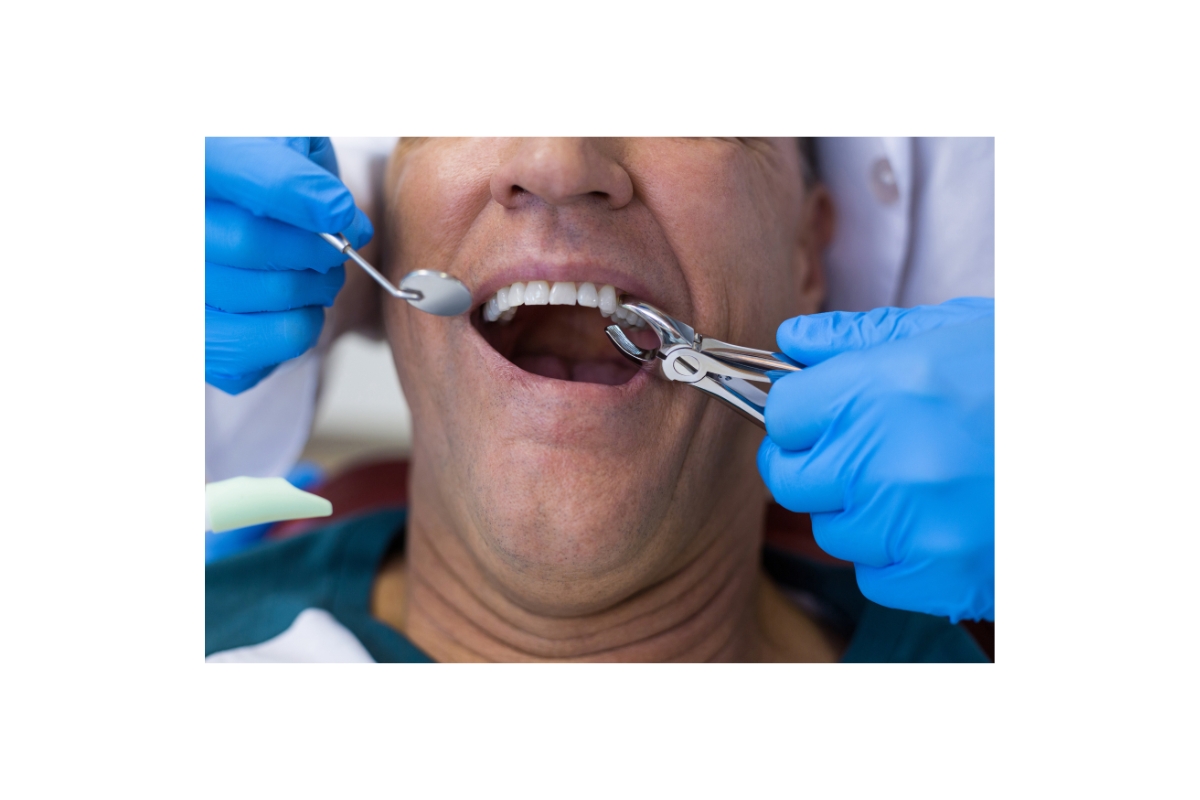
Losing a tooth can feel like the end of a difficult dental problem. Once the discomfort disappears, you might assume there is nothing more to worry about. However, changes can continue beneath your gums long after the extraction site heals.
Your jawbone depends partly on the presence of natural teeth. When a tooth is removed, the surrounding bone begins adjusting to its absence. Understanding this process can help you make informed decisions about replacing missing teeth.
Your Jawbone Depends on Natural Teeth
Each natural tooth sits within a socket in your jawbone. The tooth’s root connects to the surrounding bone through specialized supporting tissues.
Whenever you chew, forces travel through these structures. This activity helps maintain the bone surrounding your teeth.
After extraction, the tooth root no longer provides this stimulation. As healing continues, the body begins reshaping the surrounding bone.
This process is called bone remodeling. Some bone changes are a normal part of healing after tooth removal.
However, significant loss of bone volume may complicate future tooth replacement. That is why dentists often discuss restorative plans before removing a tooth.
Why Bone Shrinkage Happens After Extraction
Once a tooth is removed, a blood clot forms inside the empty socket. This clot supports the early stages of healing.
Over the following weeks, new tissue gradually develops within the extraction site. Meanwhile, the bone surrounding the socket begins changing shape.
The jawbone may lose some height and width as it remodels. These changes are often more noticeable during the first several months.
However, the amount of bone loss varies between patients. Tooth location, existing bone condition, gum health, and previous infection all influence healing.
Some patients notice visible changes in their gumline. Others experience bone changes that become apparent only during dental imaging. This explains why an extraction site can look healed while the underlying bone continues changing.
Missing Teeth Can Affect Nearby Structures
A missing tooth creates more than an empty space in your smile. Depending on its location, nearby teeth may gradually shift toward the gap.
These movements can affect how your upper and lower teeth meet. Some patients also notice changes in chewing efficiency.
Missing back teeth can make certain foods more difficult to chew. Front tooth loss may affect speech, appearance, and confidence.
Over time, changes in the underlying bone can influence restorative treatment options. However, the extent of these effects differs between individuals.
Not every missing tooth requires identical treatment. Wisdom teeth, for example, generally do not need replacement after removal.
Other teeth play important roles in chewing and supporting a balanced bite. Discussing these functions helps guide an appropriate treatment plan.
Understanding Extraction Site Preservation Procedures
Extraction site preservation is a dental procedure intended to limit bone loss after tooth removal. It may involve placing bone graft material inside the empty socket.
The graft serves as a framework that supports healing and bone development. A protective membrane or other material may also be used when appropriate.
The goal is to preserve as much useful bone structure as reasonably possible. However, preservation procedures cannot prevent every change that occurs during healing.
Some extraction sites heal adequately without grafting. Others benefit from additional support, especially when future implant treatment is being considered.
A dentist evaluates the tooth’s location, surrounding bone, and future restorative plans before recommending the procedure.
Tooth extraction in Decatur should involve a discussion about what happens after removal. Planning helps patients understand whether socket preservation might be useful.
How Bone Health Affects Dental Implants
Dental implants replace missing tooth roots with artificial supports placed in the jawbone. These supports require adequate bone volume and quality for successful placement.
If bone loss has occurred, implant placement may become more complicated. Additional grafting procedures might be needed before an implant can be placed.
However, not every patient requires a bone graft. Some individuals already have enough supporting bone for treatment.
Dental imaging helps evaluate the available bone and surrounding anatomy. Your dentist will also consider gum health, medical history, and other clinical factors.
At Decatur Dental Care, dental implants are available within the practice. This allows patients to discuss extraction decisions alongside possible replacement options.
Importantly, implant treatment is not appropriate for every patient. Your dentist can explain alternatives when necessary.
Other Options for Replacing Missing Teeth
Dental implants are only one possible solution after tooth loss. Fixed dental bridges can replace certain missing teeth using neighboring teeth for support.
Removable partial dentures may also replace one or several missing teeth. Full dentures help patients who have lost all teeth in an arch.
Each option has different maintenance needs and treatment requirements. Your dentist will consider your remaining teeth, jawbone, bite, and personal preferences.
A bridge does not replace the missing tooth root. Therefore, it does not prevent the same bone changes as a natural root.
Removable dentures also depend on the shape of the supporting tissues. Significant bone changes may influence their fit over time.
Comparing these options before extraction can reduce uncertainty about future treatment.
Protecting Your Extraction Site During Healing
Proper aftercare supports the healing process after tooth removal. Follow the instructions provided by your dental team.
Avoid disturbing the blood clot during the early healing period. Smoking, vigorous rinsing, and drinking through straws may increase the risk of complications.
Choose soft foods until your dentist advises otherwise. Maintain oral hygiene while avoiding unnecessary irritation around the extraction site.
Contact your dentist if you develop worsening pain, persistent bleeding, or unusual swelling. These symptoms may indicate a problem requiring attention.
Attend recommended follow-up appointments even when you feel comfortable. Your dentist can check healing and discuss the appropriate timing for future treatment.
Plan Beyond the Extraction Appointment
Tooth removal is sometimes necessary to protect your oral health. However, thoughtful planning should also consider the long-term effects of the missing tooth.
At Decatur Dental Care, patients from Decatur, Forsyth, and surrounding communities can discuss extractions and tooth replacement. Our team explains available options and helps you understand the next steps.
Call 217-423-2400 to schedule an appointment before making decisions about tooth removal.
Frequently Asked Questions
Does everyone lose jawbone after tooth extraction?
Some bone remodeling normally occurs after tooth removal. However, the amount of change varies between patients. Your dentist can evaluate the extraction site and discuss whether preservation procedures may be helpful.
Is bone grafting always required after extraction?
No, bone grafting is not necessary for every extraction. The decision depends on bone condition, tooth location, and future treatment plans. Your dentist will explain whether grafting offers a meaningful benefit.
How long does jawbone healing take?
Initial gum healing often occurs within several weeks. However, bone remodeling continues for several months or longer. Your dentist will monitor healing and recommend appropriate timing for any planned tooth replacement.
Where can I discuss tooth extraction near Forsyth?
Decatur Dental Care provides extraction evaluations and restorative treatment planning for patients from Forsyth and nearby communities. Our dentists can explain potential bone changes and replacement options. Contact our office before scheduling an extraction.