3737 E State Route 36, Decatur, IL, 62521

Most people associate dental sealants with children’s dental appointments. Parents often hear about them when their children develop permanent molars. However, adults can sometimes benefit from this preventive treatment too.
Your back teeth contain tiny grooves that trap food and bacteria. These areas may remain vulnerable even when you brush regularly. Dental sealants create a protective covering that can help reduce the risk of cavities.
Understanding how sealants work may change the way you approach preventive dental care.
Why Back Teeth Develop Cavities Easily
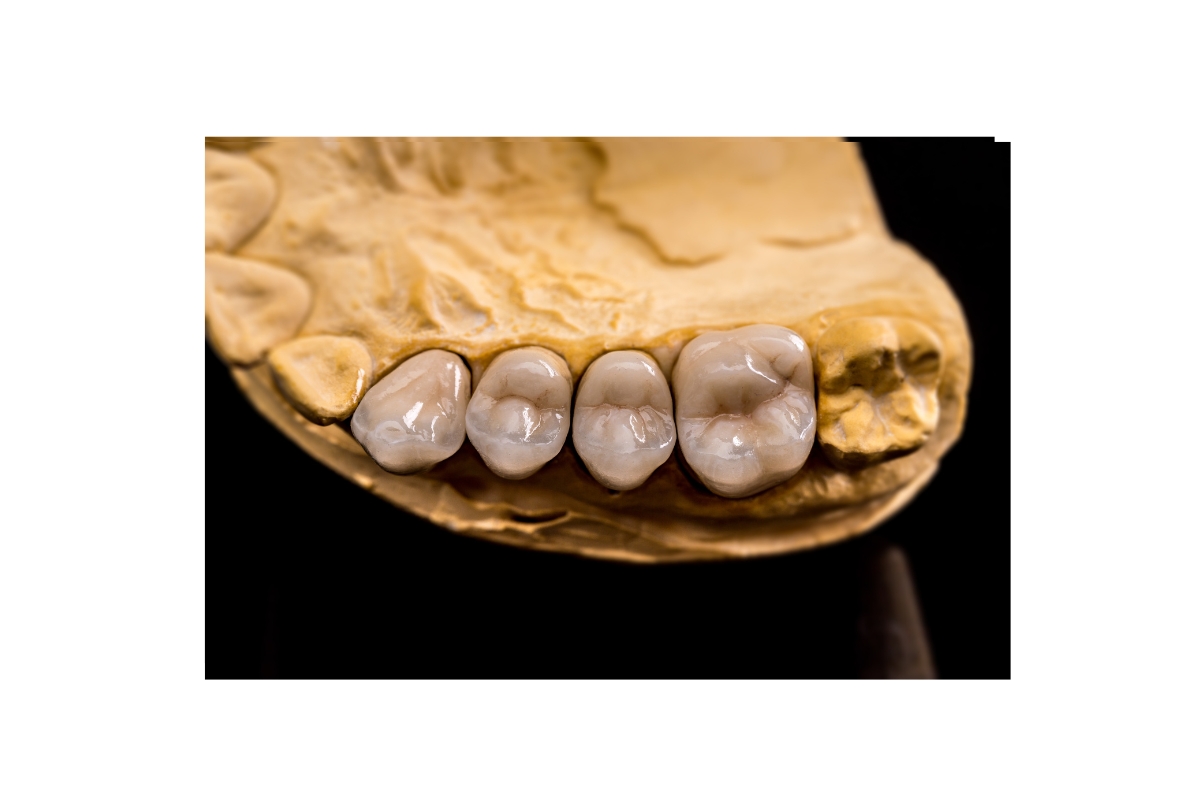
Your molars have uneven chewing surfaces designed to break down food. Their raised areas and narrow grooves help with everyday chewing.
Unfortunately, those same grooves can trap food particles and bacteria. Toothbrush bristles may struggle to reach the deepest areas.
When bacteria feed on sugars, they produce acids that weaken tooth enamel. Repeated acid exposure can eventually lead to cavities.
Even people with good brushing habits may develop decay in these difficult areas. That is why dentists consider more than daily hygiene when assessing cavity risk.
Dental sealants can help protect vulnerable chewing surfaces. However, they work alongside fluoride toothpaste, flossing, and professional dental care.
Understanding What Dental Sealants Actually Do
A dental sealant is a thin protective coating applied to the chewing surface of a tooth. It fills small grooves where bacteria and food might otherwise collect.
The material creates a smoother barrier over vulnerable areas. This makes it harder for plaque to settle inside deep pits.
Sealants are most commonly placed on permanent molars. However, dentists may recommend them for other teeth with suitable grooves.
According to the American Dental Association, sealants can benefit both children and adults. Their usefulness depends on individual cavity risk and tooth condition.
Dental sealants in Decatur are one preventive option families can discuss during routine examinations.
Why Adults May Still Need Sealants
Many adults assume their teeth no longer need additional cavity protection. However, cavity risk does not disappear after childhood.
Some people naturally have deep grooves in their molars. Others struggle to clean certain areas because of their tooth anatomy.
A history of frequent cavities may also suggest a greater need for preventive care. Changes in oral health can influence that risk over time.
Dry mouth is another important concern. Saliva helps wash away food particles and neutralize acids produced by bacteria.
Certain medications and medical conditions can reduce saliva production. This may increase the likelihood of tooth decay.
Adults with healthy, unrestored chewing surfaces may therefore be candidates for sealants. Your dentist will evaluate whether the treatment offers a meaningful benefit.
What Happens During Sealant Application?
Dental sealant placement is usually quick and straightforward. The procedure generally does not require drilling or local anesthesia.
First, the dental team cleans and dries the tooth. Next, a preparation material helps the sealant bond to the enamel.
The sealant is then applied to the chewing surface. A curing light may be used to harden the protective material.
Once the material sets, your dentist checks its coverage and your bite. You can usually return to normal activities shortly afterward.
Most patients find the process comfortable. However, the exact steps depend on the sealant material and the condition of the tooth.
Sealants Are Not Replacements for Fillings
A common misunderstanding is that sealants can repair any cavity. Their main purpose is preventing decay on suitable tooth surfaces.
Dentists may also use sealants on certain early, noncavitated areas under appropriate conditions. However, established cavities with missing tooth structure often require restorative treatment.
A filling removes damaged tissue and restores the affected portion of the tooth. Sealants instead provide a preventive coating over susceptible grooves.
This distinction matters when evaluating treatment options. Placing a sealant over an untreated cavity that requires restoration would not solve the underlying problem.
At Decatur Dental Care, dental examinations help identify cavities and other changes before treatment is recommended.
How Long Do Dental Sealants Last?
Dental sealants can remain effective for several years. However, everyday chewing places gradual stress on their protective surfaces.
Some sealants develop wear or lose their seal over time. Others may require repair or replacement.
Regular checkups allow your dentist to inspect existing sealants. If the material becomes damaged, the dentist can discuss whether reapplication is necessary.
You should continue brushing and flossing even when your teeth have sealants. They protect specific surfaces rather than every part of your mouth.
The spaces between your teeth remain vulnerable to plaque buildup. Maintaining a consistent cleaning routine helps protect those areas.
Children Can Benefit From Early Protection
Although adults may qualify for sealants, children remain an important group for this treatment. Their permanent molars often develop before they master thorough brushing techniques.
First permanent molars usually appear around age six. Second permanent molars commonly emerge around age twelve.
Protecting these teeth soon after eruption can help reduce cavity risk. However, timing should depend on the child’s dental development.
Parents can ask about sealants during regular pediatric dental visits. The dentist will examine the molars and discuss whether protection is appropriate.
Families from Mt. Zion and surrounding communities can benefit from discussing prevention together. Each family member may have different oral health needs.
Make Prevention Part of Everyday Life
Preventive dentistry involves more than treating problems after symptoms appear. Regular examinations can reveal opportunities to protect healthy teeth.
Fluoride, daily cleaning, and thoughtful dietary choices all contribute to cavity prevention. Sealants provide another option for teeth with vulnerable chewing surfaces.
However, the decision should reflect your actual dental condition. A sealant is useful only when it addresses a genuine preventive need.
Ask About Protection for Your Teeth
If your molars have deep grooves or a history of cavities, consider discussing sealants at your next appointment. Simple preventive decisions may help avoid future dental problems.
At Decatur Dental Care, we provide preventive services for children and adults throughout the Decatur area. Our team evaluates individual cavity risks and explains suitable treatment options.
Call 217-423-2400 to schedule an appointment.
Frequently Asked Questions
Can adults receive dental sealants?
Yes, adults can benefit from sealants when they have suitable teeth and an increased risk of cavities. Your dentist will examine the chewing surfaces before recommending treatment. Existing restorations and decay can influence eligibility.
Are dental sealants painful to apply?
Dental sealant placement is generally painless. The procedure involves cleaning, preparing, and coating the tooth surface. Most patients do not require injections or drilling, making sealants a convenient preventive option.
Can cavities develop underneath dental sealants?
Properly placed sealants help protect vulnerable surfaces from decay. However, damaged or partially lost sealants may need attention. Regular dental examinations help ensure the protective material remains effective.
Where can families ask about dental sealants near Mt. Zion?
Decatur Dental Care provides preventive dental services for patients from Mt. Zion and nearby communities. Our team can evaluate molars and discuss cavity prevention. Schedule a checkup to learn whether sealants are appropriate for your family.